
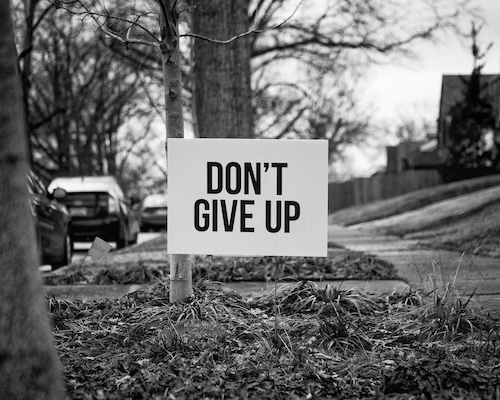

Lately, anxiety seems to be walking into the therapy room more often. A deep, unsettling anxiety that seems to get into all the nooks and crannies.
Sometimes people call it anxiety right away. Other times, they describe being exhausted, irritable, unable to sleep, having difficulty concentrating, or feeling like they are constantly waiting for something bad to happen. Some people tell me they have stopped watching the news because they cannot take anymore. Others cannot seem to stop watching it.
And increasingly, the anxiety I hear about is not occurring in a vacuum.
People are worried about the political climate. They are worried about the economy. They are worried about their jobs, healthcare, housing, groceries, insurance, retirement, and whether the money coming in is going to stretch far enough to cover everything going out.
For many people, these are not hypothetical fears.
When you are standing in the grocery store deciding what you can put back, anxiety makes sense. When an unexpected car repair or medical bill can completely change your month, anxiety makes sense. When you are working hard and still wondering whether you are getting further behind, anxiety makes sense. And when the political environment feels increasingly divided and every news alert seems to bring another reason to worry, it can become difficult to convince your brain that you are safe enough to relax.
Our Brains Were Not Designed for This Much Information
We live in a world where we have almost immediate access to everything happening everywhere. Our phones can deliver political conflict, economic uncertainty, violence, tragedy, anger, and someone else’s opinion about all of it before we have even finished our first cup of coffee.
I don’t think we always appreciate what that does to us.
The anxious brain is very good at looking for danger. Once it finds something threatening, it wants more information because it believes more information will make us safer. So, we check again. And again. And again.
Unfortunately, knowing more does not always make us feel safer. Sometimes it simply gives our anxiety more material to work with. There is an important difference between being informed and being immersed. You can care deeply about what is happening in the world without allowing it to occupy every available space in your mind.
Some Anxiety Cannot Be “Thought Away”
One of the things I think we have to be careful about in mental health is treating every anxious thought as irrational.
Some worries are very real.
If someone is struggling to pay rent, telling them to “focus on the positive” is probably not particularly helpful. Neither is suggesting that someone simply stop worrying when they are concerned about losing healthcare, employment, or financial security. Therapy cannot make groceries cheaper. It cannot guarantee what will happen politically. It cannot eliminate uncertainty.
What therapy can do is help us separate what is happening right now from everything our anxious minds tell us might happen next.
That distinction can be incredibly important.
Anxiety loves the future.
It asks:
What if this happens?
What if I can’t handle it?
What if things get worse?
What if I lose everything?
Before long, our minds have taken something difficult happening today and created fifteen additional disasters that have not happened yet.
That is exhausting.

Coming Back to Right Now
When anxiety begins pulling us into the future, grounding can help bring us back into the present.
Grounding does not mean pretending everything is fine. It means reminding our nervous system where we actually are in this moment.
A few things I encourage people to try:
Put your feet on the floor. Actually, notice the floor underneath you. Feel the chair supporting your body. Look around the room and remind yourself, I am here, right now.
Slow your breathing. Anxiety often changes our breathing without us realizing it. Try breathing in slowly and allowing the exhale to be a little longer. You are not trying to breathe perfectly. You are simply giving your body permission to slow down.
Name what is happening. Sometimes saying, “I am feeling anxious right now” is more helpful than becoming consumed by the story anxiety is creating.
Ask, “What do I know right now?” Not what might happen next month. Not what someone on television predicts will happen. What do you actually know in this moment?
Reduce the amount of information coming in. Consider setting specific times to check the news rather than letting alerts and social media interrupt you throughout the day.
Move your body. Walk. Stretch. Go outside. Play with the dog. Work in the yard. Movement can give all of that anxious energy somewhere to go.
Connect with another person. Anxiety tends to become louder when we are alone with it. Call someone. Have dinner together. Sit on the porch and talk. Human connection matters.
Do something that brings you joy without requiring you to earn it. Listen to music. Watch something funny. Cook. Create something. Spend time with people you love. Joy is not irresponsible just because difficult things are happening.
Focus on the Next Thing
When life feels overwhelming, I often find it helpful to make the world smaller.
You do not have to solve the economy today.
You do not have to solve American politics before bedtime.
You do not have to figure out the next five years.
Sometimes the question is simply:
What is the next thing I need to do?
Pay this bill.
Make this phone call.
Go to work today.
Eat something.
Take the medication that has been prescribed.
Walk around the block.
Talk to my partner.
Go to bed.
Then tomorrow, we figure out tomorrow.
There is something powerful about allowing ourselves to live one day at a time when our minds desperately want us to solve every possible future at once.
Where Therapy Fits
I sometimes describe therapy as having someone willing to walk with you into the places your mind keeps trying to take you.
Not to tell you that your fears are ridiculous. Not to tell you everything is going to be fine when neither of us can know that. Certainly not to tell you how you should feel about what is happening around you.
Instead, therapy gives us a place to slow things down.
We can look at the anxious thought together.
Where did it come from?
What is actually happening?
What part of this can you control?
What part can’t you control?
What do you need right now?
And how can you continue living a meaningful life even when uncertainty is sitting beside you?
Sometimes therapy is about developing coping skills. Sometimes it is about recognizing patterns that have been with us for years. Sometimes it is simply having a place where we do not have to pretend that we are doing better than we actually are.
There can be tremendous relief in being able to say, “I’m scared,” and having someone respond with curiosity rather than judgment.
You Are Allowed to Step Away
Being concerned about the world does not require being consumed by it. You are allowed to turn off the television. You are allowed to put down your phone. You are allowed to laugh with friends while serious things are happening. You are allowed to enjoy dinner. You are allowed to rest. You are allowed to experience joy without feeling guilty about it.
You are allowed!
Stepping away for a while does not mean you don’t care. Sometimes stepping away is exactly what allows us to return with enough emotional energy to continue caring.
There is a lot happening around us right now, and some of it is genuinely difficult. I don’t think the answer is pretending otherwise. Maybe the answer is learning how to hold two things at the same time:
The world can feel uncertain, and I can still create moments of safety.
I can be worried about tomorrow and still live today.
I can care deeply about what is happening around me without allowing anxiety to take everything from me.
And when doing that alone becomes too difficult, therapy can be a place where someone walks beside you for a while.
Sometimes we all need someone to help us find our way back to the present.





Comments are closed.