
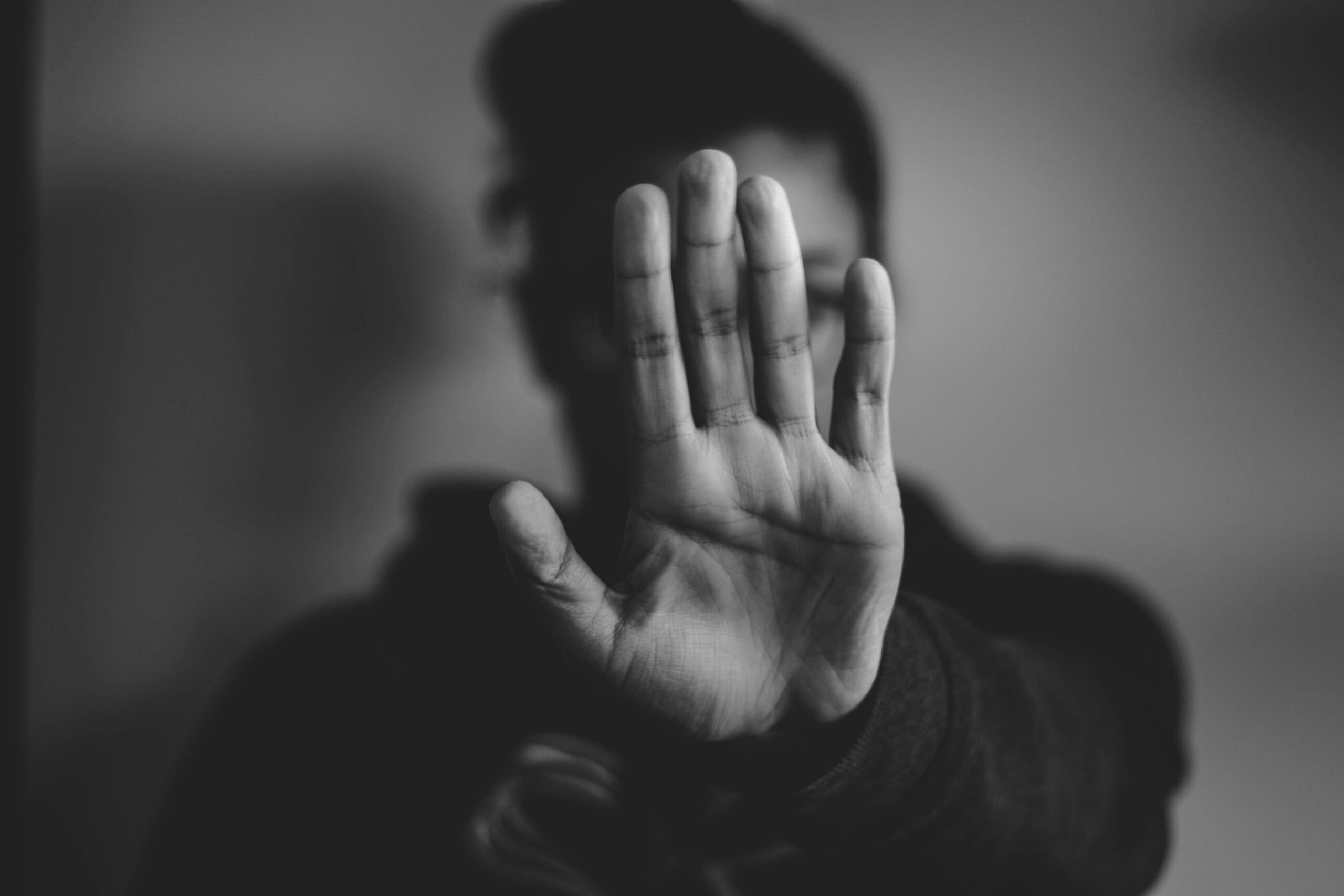

I will be making this a three-part series as there are three perspectives in domestic violence that I feel need be explored- that of the outsider, victim, and abuser. Today we are discussing the perspective and role of the outsider. Regardless of our awareness, domestic violence impacts us all. I’ve been the outsider- naive and completely unaware of the victims among me- and I can see now the importance of my role within the world of domestic violence.
While I cannot say I have ever experienced physical abuse in a relationship, I have been in a place where I can see how easily it can develop. Domestic violence is big, and yet, it can be minimized by victims and their abusers alike. From victims I’ve heard the, “I’m the reason they’re upset” and the “It’s my fault they did this to me.” It’s an ongoing fluctuation of trust and love (up for debate), and pain and punishment; it’s cyclical and malignant; it’s violent and apologetic; it’s a performance, at times, to pretend everything is okay; it’s maneuvering and manipulating for self preservation. It’s everything society, at times, judges and misunderstands greatly. Domestic violence is so many things that we cannot see, and something that we as a society could address with much more empathy when it comes to the victims.
From outsiders, I often hear things like…
“I would never let that happen to me.”
“Why didn’t they leave?”
“Why would they put their children through that?”
“I would never let anyone touch me like that.”
The reality is, it doesn’t matter what someone would have done, or how they would have addressed it. Domestic violence is created by the abuser and experienced by the victim(s). When opinions about how someone would react/behave in these situations are verbalized, it confirms to the victim that they are the reason they are experiencing this. An outsider is just that- an outsider.
I’m going to put this simply: it is not the victims fault. There will never be a valid reason for someone to experience domestic violence.
Yes, this is going to be a blog about resources and information and education, but it’s also going to be a conversation with the outsiders, the people who “wouldn’t let this happen”, the family members who possibly have someone near them experiencing DV. This is a conversation on what we can and could say instead, without judgment and critique.
Instead of, “why did they stay?” ask “what kept them from being able to leave?” Was it the: lack of community, lack of support, lack of financial stability, lack of confidence? Instead of, “I would never let that happen to me,” ask “was there a space I could have made for this person to be able to open up to me about their fears, concerns, and pain.” Instead of “why would they put their children through that,” let’s ask “what resources did they lack that kept them from being able to protect themselves”.
My next blog will explore the perspective of the victim in domestic violence as they experience it. There is room for conversation about the abuser, but that is for another blog as well. Today, it’s about the outsiders and how we can better support people who are suffering so they know they don’t have to do it in silence. Take a step back and see what language you can use to support an (almost) invisible struggle; and if you don’t know how to have that conversation, we can always be here to support you in that.
A link on the difference between Domestic Violence and Intimate Partner Violence, as well as the language we use when trying to be of more support:
https://www.womenagainstabuse.org/education-resources/the-language-we-use
“What’s the difference and why do we use both phrases?
Domestic violence refers to violence among people in a domestic situation, and can thus include not only a spouse or partner, but also siblings, parents, aunts, uncles, cousins, etc.
Intimate partner violence is more specific in describing violence perpetrated by a partner in a romantic or dating relationship. This sort of abuse is Women Against Abuse’s primary focus; however, the descriptor “intimate partner violence” is a more recent term.”
A link defining DV statistics: https://www.thehotline.org/stakeholders/domestic-violence-statistics/
“Nearly 3 in 10 women (29%) and 1 in 10 men (10%) in the US have experienced rape, physical violence, and/or stalking by a partner and reported it having a related impact on their functioning.”
A CDC guide to IPV:
https://www.cdc.gov/intimate-partner-violence/about/index.html
“Intimate partner violence can include physical violence, sexual violence, stalking, or psychological aggression.
IPV can cause injury, at times can lead to death, and harms lifelong health.
Promoting healthy relationships and communities can help reduce IPV.”
Statistics about DV as a global issue:
https://www.who.int/news-room/fact-sheets/detail/violence-against-women
FBI report on DV in adult and teen relationships:
https://www.fbi.gov/news/press-releases/fbi-releases-domestic-violence-special-report
“This report focuses on violent crimes of murder, rape, robbery, and aggravated assault where the victim-to-offender relationship meets the UCR Program’s domestic and family violence definition. The crimes were reported to the FBI’s UCR Program by participating law enforcement agencies via the National Incident-Based Reporting System (NIBRS).
Over the five-year period studied, the percentage of violent crimes within domestic relationships increased. Law enforcement reported more than 11,000 domestic violence murder victims and an additional 1.1 million victims of domestic violence. Nearly 75 percent of the victims were female.”
A Fun Fact video about a Mongolian president fighting DV: https://www.youtube.com/shorts/YS_FndlvfA4
DV Hotline with phone numbers and live chat options:
1.800.799.SAFE(7233)






Comments are closed.