


A grounded reflection for BIPOC queer folks, activists, and anyone whose body is tired of staying ready for the next fight.
June is over. The festivals have ended, the rainbow merchandise is disappearing from store shelves, and many companies have quietly moved on to their next marketing campaign.
But we do not get to move on that easily.
Many of us spent June celebrating, marching, organizing, educating, defending, and trying to create moments of queer joy. At the same time, we were still watching our rights being debated and our lives being treated as political talking points. When the noise of Pride Month settles, there can be a very real emotional and physical crash.
You may be feeling it now.
You may be tired in a way that sleep does not seem to fix. You may feel irritable, numb, anxious, disconnected, or simply done with having to explain why your life and your community matter. That does not mean you have stopped caring. It may mean that you have been carrying too much for too long.
For BIPOC queer folks, the weight can be even heavier. July is BIPOC Mental Health Month, which gives us an opportunity to talk honestly about what it means to live at the intersection of multiple marginalized identities. Racism does not disappear inside queer spaces, and homophobia and transphobia do not disappear within communities of color. Sometimes, there is no place where you feel completely safe or completely understood.
Living in Texas or Colorado as a marginalized person can require you to constantly read the room. Is it safe to hold my partner’s hand? Can I be myself at work? Do I need to challenge what was just said? Will speaking up put me at risk? Can I trust this person, this provider, or this space?
Your body keeps track of those questions, even when you are not consciously thinking about them.
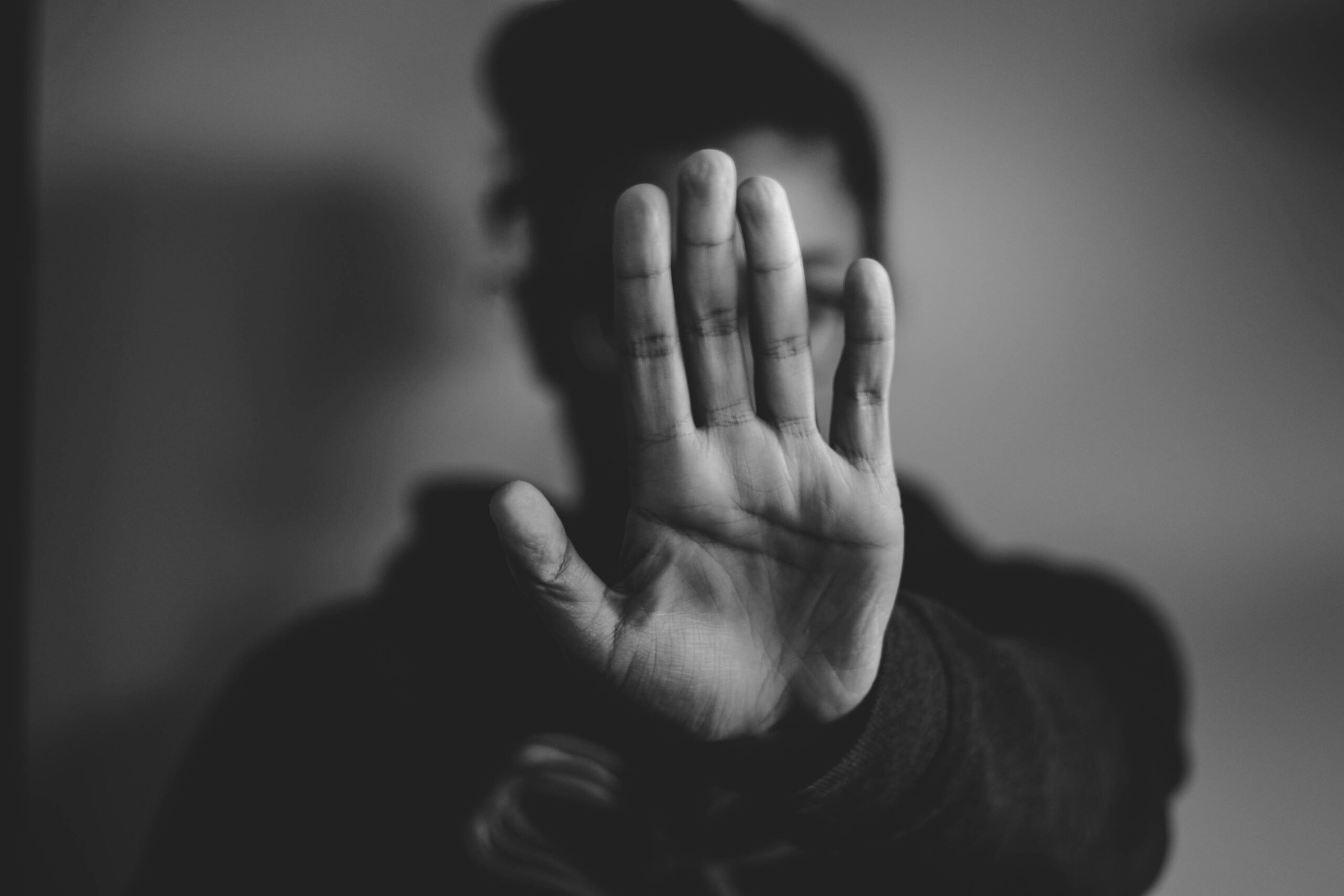
Hypervigilance can feel like wearing armor every day. That armor may have protected you. It may have helped you survive situations where being open, vulnerable, or fully yourself did not feel safe. But armor is heavy. Wearing it all the time is exhausting.
This is where somatic therapy can help.
Somatic therapy is not about pretending the world is safe when we know it is not always safe. It is also not about telling you to take a bath, think positively, or practice better “self-care” so you can get back to fighting. It is about helping you notice what your body has been holding and creating small moments when your nervous system can begin to soften.
That may mean noticing where tension lives in your body. It may mean learning how to slow your breathing without forcing it. It may mean recognizing when your body is preparing for danger, even when you are currently in a safe space. Sometimes, it simply means having someone sit with you while you practice putting down what you have been carrying.
Rest is not abandoning the movement. Rest does not mean you care less. You are allowed to step away from the news, decline the invitation, silence the notifications, and let someone else carry the sign for a while.
You are also allowed to experience joy while there is still work to be done.
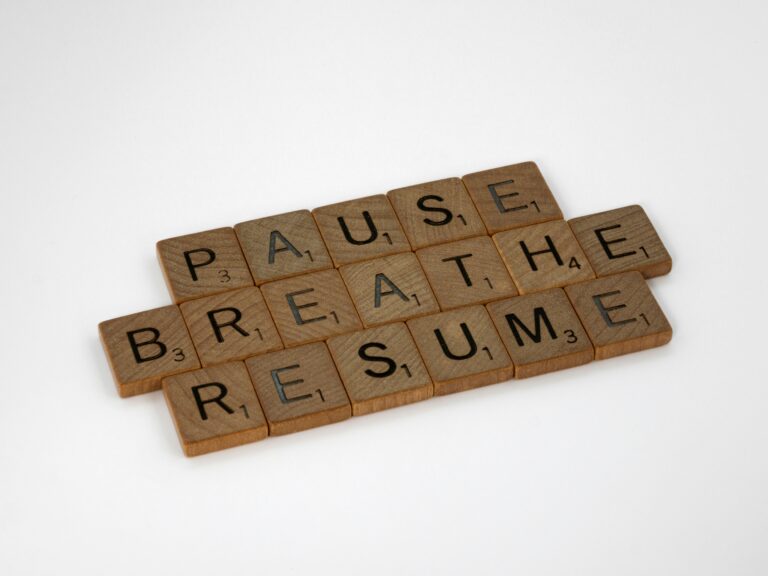
We see how tired you are. Let’s work on teaching your nervous system how to put down the armor for an hour a week.





Comments are closed.