
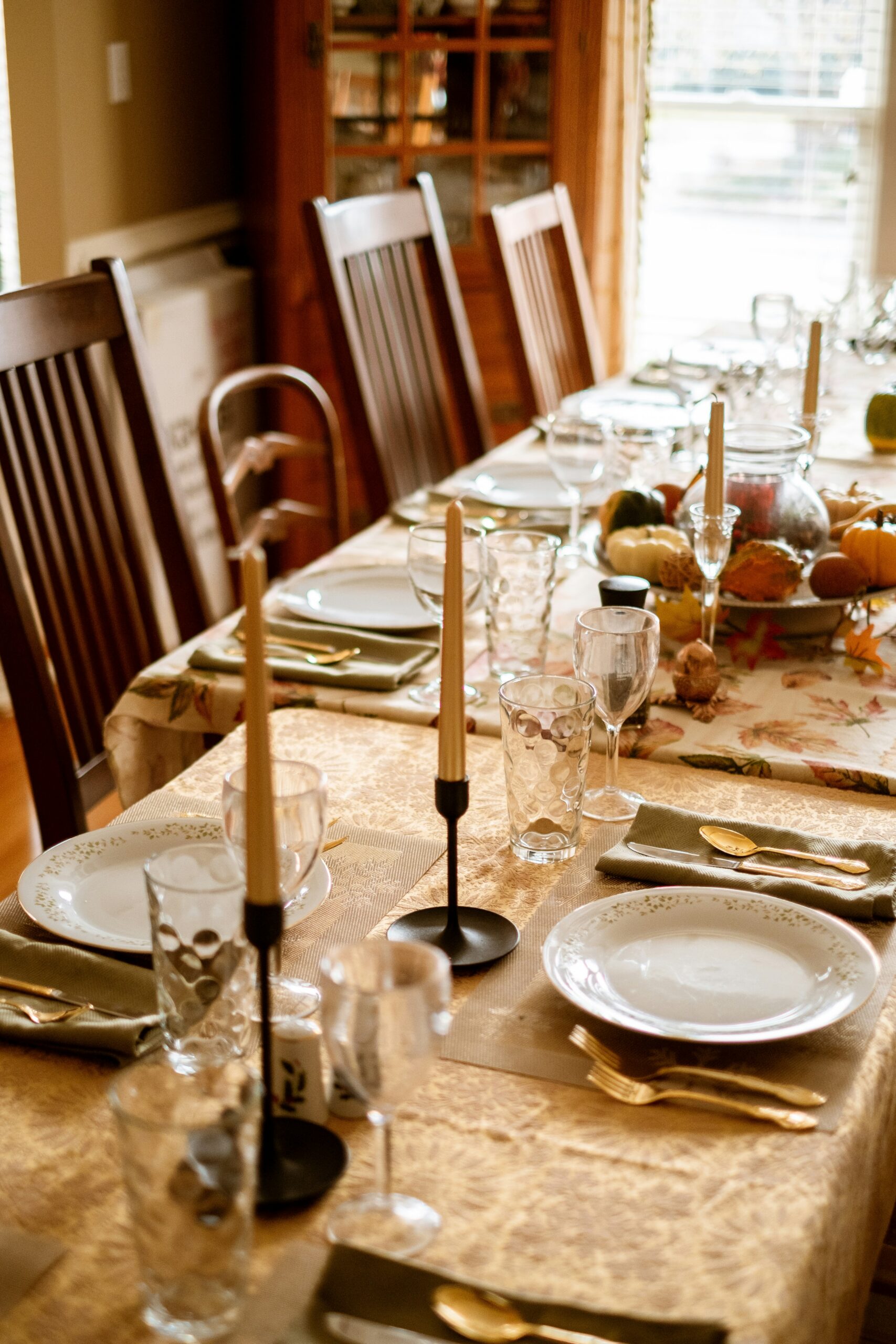

A radically affirming guide to protecting your peace when family traditions come with misgendering, deadnaming, and unwanted debates.
The holidays are coming.
For some people, that means warm kitchens, familiar traditions, and arguing over who makes the best pie. For many trans and non-binary people, it means preparing for something else entirely.
Will they use my name? Will they respect my pronouns? Will someone bring up politics at dinner as if my life is an interesting debate topic? How many times will I have to correct them before I am accused of ruining Thanksgiving?
That is not holiday stress. That is bracing for impact.
November also includes Transgender Day of Remembrance, a day when we honor transgender and gender-diverse people whose lives were taken by anti-trans violence. We say their names. We remember who they were. We acknowledge that the political hatred directed toward trans people has real and devastating consequences.
That larger trauma does not stay outside your family’s front door.
It shows up when relatives repeat the same dehumanizing talking points they heard on television. It shows up when someone refuses to use your name because it is “too hard.” It shows up when people who claim to love you sit quietly while another family member turns your identity into the dinner conversation.
The world is already asking trans and non-binary people to defend their right to exist. You should not have to spend Thanksgiving doing the same thing between the turkey and the sweet potatoes.
Let me be blunt: sharing DNA with someone does not give them unlimited access to you.
You are allowed to disappoint your family.
- You are allowed to leave early.
- You are allowed to drive yourself so you are not trapped waiting for someone else to take you home.
- You are allowed to stay in a hotel instead of sleeping in the room where everyone still treats you like a version of yourself that no longer exists.
- You are allowed to decline questions about your body, medications, relationships, surgery, or identity.
- You are allowed to say, “We are not discussing that.”
- You are allowed to correct someone once and then stop doing the emotional labor of teaching people who are committed to misunderstanding you.
- You are allowed to bring a supportive person.
- You are allowed to spend the holiday with friends.
- You are allowed to not go at all.
None of these choices makes you selfish, dramatic, ungrateful, or difficult. A boundary is not punishment. It is a decision about what you will do when someone refuses to treat you with basic respect.
Your boundary might sound like:
- “If you use my former name, I will remind you once. If it continues, I am leaving.”
- “I am not discussing trans healthcare or politics during dinner.”
- “If anyone makes comments about my body, I will end the conversation.”
- “I am coming for dessert, but I am not staying all evening.”
- “I will not be attending this year. I hope you have a good holiday.”
You do not need to write a dissertation explaining your boundary. You do not need a PowerPoint presentation, three peer-reviewed articles, and a family vote. “No” is a complete answer. So is “That does not work for me.”
It also helps to make an exit plan before you arrive. Decide how long you want to stay. Keep your keys, phone, medication, and money with you. Identify one person you can text if things become overwhelming. Give yourself permission to step outside, sit in your car, or leave without waiting for the evening to become completely unbearable.
And please plan for what happens afterward.
Even when you hold a boundary, the experience can still hurt. You may feel angry, relieved, guilty, sad, or all four within ten minutes. Make time to connect with someone who knows your name, respects your identity, and does not require you to shrink yourself to keep them comfortable.
This is why community matters.
Group sessions can provide something many trans and non-binary people have been denied: a space where you do not have to explain the basics of who you are before you can talk about how you feel. There is power in sitting with people who understand the exhaustion, the complicated family relationships, and the grief of wanting support from people who may never be willing or able to give it.
Biological family is an accident of birth; chosen family is by design. Join one of our Group Sessions to find your people.
You deserve a seat at a table where your existence is celebrated, not debated.







Comments are closed.